June Birth Month Flower: Meaning, Symbolism and Facts
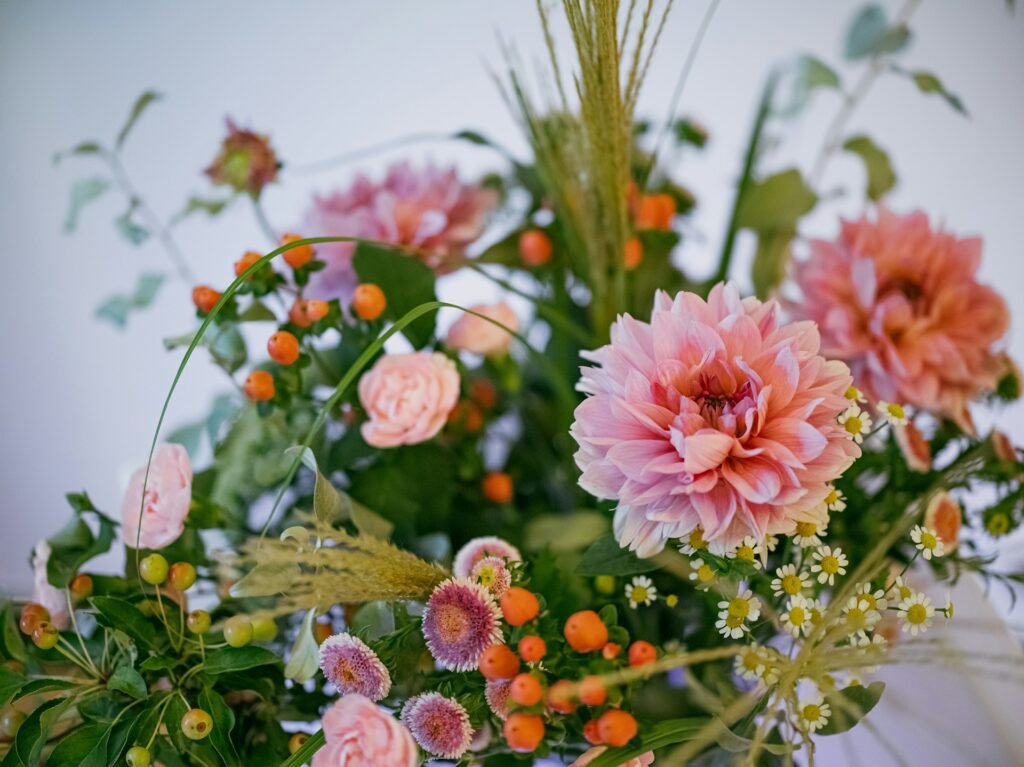
Introduction to the June Birth Month Flower
Unique flowers that carry rich symbolism, cultural heritage, and natural beauty are associated with every birth month. For those born in June, two extraordinary blooms serve as their floral emblems: the Rose and the Honeysuckle. These flowers are not only visually stunning but also carry deep meanings that resonate with the warmth and vibrancy of the summer season. When you are looking to celebrate a June birthday, understand floral symbolism, or simply appreciate the natural world. Exploring the June birth month flower offers a fascinating journey into history, culture, and nature.
The Two Official June Birth Month Flowers
Unique flowers that carry rich symbolism, cultural heritage, and natural beauty are associated with every birth month. Each carries its own distinct symbolism, history, and charm, making June birthdays doubly special in the world of floral tradition.
1. The Rose
The Rose is arguably the most recognized and beloved flower in the world. As a primary June birth month flower, it has been celebrated across civilizations for thousands of years. Its association with June is particularly fitting, as roses typically reach their peak bloom during the early summer months, filling gardens with breathtaking color and fragrance.
2. The Honeysuckle
The Honeysuckle is the secondary birth flower for June. Though less universally recognized than the rose, honeysuckle holds its own charm with its sweetly scented tubular blossoms and climbing vines. The flower is deeply rooted in folklore and natural medicine, and its gentle beauty perfectly complements the warmth of a June morning.
The Rose: Symbolism, Meaning, and History
Few flowers have inspired as much poetry, art, and literature as the rose. Its symbolism is complex, layered, and varies significantly depending on color, culture, and context. Understanding the rose as the June birth month flower requires delving into its rich and multifaceted history.
Historical Background of the Rose
People have cultivated roses for over 5,000 years. Ancient civilizations, including the Greeks, Romans, and Egyptians, held the rose in the highest regard. In ancient Rome, people associated roses with Venus, the goddess of love and beauty, and used them in celebrations, ceremonies, and as offerings to the gods. During the Renaissance, roses became prominent motifs in religious art, often symbolizing the Virgin Mary.
In England, the rose holds national significance, with the Tudor Rose a combination of the red rose of Lancaster and the white rose of York becoming a powerful symbol of unity and royal heritage. This long and storied history makes the rose one of the most symbolically loaded flowers in human civilization.
Symbolic Meanings of the Rose
One of the most remarkable aspects of the rose is how its meaning shifts dramatically based on its color. Below are the most widely recognized symbolic interpretations:
- Red Rose: Passionate love, romance, desire, and deep respect
- White Rose: Purity, innocence, new beginnings, and reverence
- Pink Rose: Admiration, gratitude, grace, and gentle affection
- Yellow Rose: Friendship, joy, warmth, and optimism
- Orange Rose: Enthusiasm, fascination, and passionate energy
- Lavender Rose: Enchantment, wonder, and love at first sight
- Black Rose: Mystery, farewell, and transformation
- Blue Rose: The unattainable, mystery, and the extraordinary
The Rose in Different Cultures
The cultural significance of the rose spans the entire globe. Across Persian poetry, writers frequently use the rose to symbolize the beloved, especially in the classical works of Rumi and Hafiz. In Chinese culture, roses represent prosperity and good fortune. Within Christian iconography, the five-petaled rose is linked to the wounds of Christ, while in Islam, the flower is connected to the Prophet Muhammad. This universal appeal is one of the primary reasons the rose remains such an enduring symbol across the ages.
Interesting Facts About June Birth Month Flower – Roses
- There are over 300 species of roses and tens of thousands of cultivated varieties.
- Roses belong to the family Rosaceae and are related to apples, pears, and almonds.
- Rose hip the fruit of the rose plant is rich in Vitamin C and has been used in herbal medicine for centuries.
- The world’s oldest living rose, estimated to be over 1,000 years old, grows on the wall of the Hildesheim Cathedral in Germany.
- It takes approximately 60,000 rose blossoms to produce just one ounce of rose oil, making it one of the most expensive essential oils in the world.
- The rose has been the national flower of England since the reign of Henry VII in the late 15th century.
The Honeysuckle: Symbolism, Meaning, and History
While the rose may command the spotlight, the honeysuckle is an equally meaningful June birth month flower. Its delicate, fragrant blossoms and climbing nature have made it a powerful symbol in both Eastern and Western traditions.
Historical Background of Honeysuckle
Honeysuckle, known scientifically as Lonicera, is a genus of flowering shrubs and vines with approximately 180 species. The plant is native to the Northern Hemisphere, with the greatest diversity found in China. Historically, honeysuckle has been an important plant in both traditional Chinese medicine and European herbalism, used to treat a wide range of ailments from fevers and infections to skin conditions.
Photo by Egor Komarov on Unsplash