The Beauty and Meaning of Maroon Color in Design and Culture
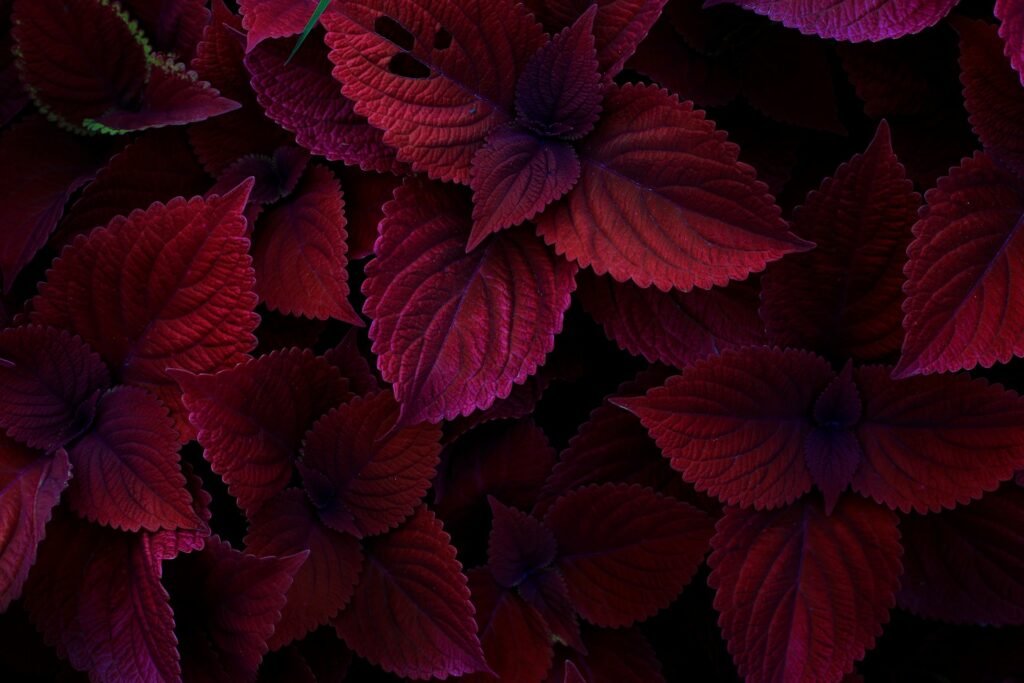
Photo by <a href="https://unsplash.com/@chiara_art?utm_source=unsplash&utm_medium=referral&utm_content=creditCopyText">Chiara Polo</a> on <a href="https://unsplash.com/photos/red-flowers-with-green-leaves-6x8mBPAIBrk?utm_source=unsplash&utm_medium=referral&utm_content=creditCopyText">Unsplash</a>
Maroon is a rich, deep shade that blends the boldness of red with the earthiness of brown, creating a tone that is both elegant and powerful. Known for its timeless appeal, this hue symbolizes strength, warmth, confidence, and sophistication. Historically linked to luxury, prestige, and even royalty, it has been used in garments, décor, and ceremonial designs for centuries.
Today, this versatile shade continues to influence modern fashion, interior design, branding, and cultural expressions, offering flexibility for various creative applications. Its emotional depth makes it ideal for evoking passion, stability, and refinement in both personal style and artistic projects. Whether featured in home décor, clothing, accessories, or visual branding, it adds richness, character, and meaning to every space or style.
Moreover, this tone pairs beautifully with neutrals, golds, and earthy shades, enhancing the overall aesthetic and creating a sense of warmth and elegance. From luxurious interiors to sophisticated outfits, it remains a favorite for those seeking a balance of boldness and subtlety in their visual choices.
What Is the Maroon Color?
Maroon is a deep, rich shade created by mixing red with brown or a touch of black. This combination produces a warm, earthy tone that feels bold yet refined. Its depth makes it suitable for fashion, design, branding, and interior decor.
What Does the Maroon Symbolize?
This shade typically represents strength, courage, ambition, and sophistication. It also conveys maturity and confidence, making it a powerful choice for uniforms, ceremonial attire, and identity branding across institutions.
Where Did Maroon Originate?
Historically, this color came from natural dyes, particularly those made from chestnuts, plants, and insects. The term “maroon” originates from the French word marron, meaning chestnut, reflecting its warm brown undertone. Early civilizations used it in elite clothing because deep red dyes were rare and expensive.
Why Is It Popular in Fashion?
This tone is widely used in fashion because it adds richness without being overly bold. It works well in both casual and formal wear and complements all skin tones. Designers often choose it for fall and winter collections due to its warm and cozy appeal.
What Colors Complement It Best?
This shade pairs beautifully with neutrals like white, gray, beige, and black. It also complements earthy tones such as olive green, mustard yellow, and gold. These combinations enhance its depth and create stylish, balanced designs.
How Is It Used in Interior Design?
In interior design, this hue brings elegance and warmth to spaces. It works well for accent walls, upholstered furniture, curtains, and décor pieces. It adds character to living rooms, dining areas, and bedrooms without overwhelming the space.
What Emotions Does It Evoke?
This color evokes feelings of comfort, security, warmth, and sophistication. While bright red can feel energetic or intense, this deeper tone carries passion in a more controlled and mature way, making it ideal for calm and inviting environments.
Is Maroon Color Suitable for Branding and Logos?
Yes, the color is highly suitable for branding because it conveys reliability, tradition, and excellence. Many universities, sports teams, and heritage brands use maroon to signal prestige and long-standing reputation.
Is Maroon Color Different From Burgundy?
Yes, maroon and burgundy differ. Maroon contains more brown, giving it a warm, earthy look, while burgundy includes purple tones, making it appear cooler and brighter. Both are elegant shades, but used differently depending on the desired mood.
What Is the Beauty and Meaning of Maroon Color in Design and Culture?