what is the historical origin of all saints day? Bessy
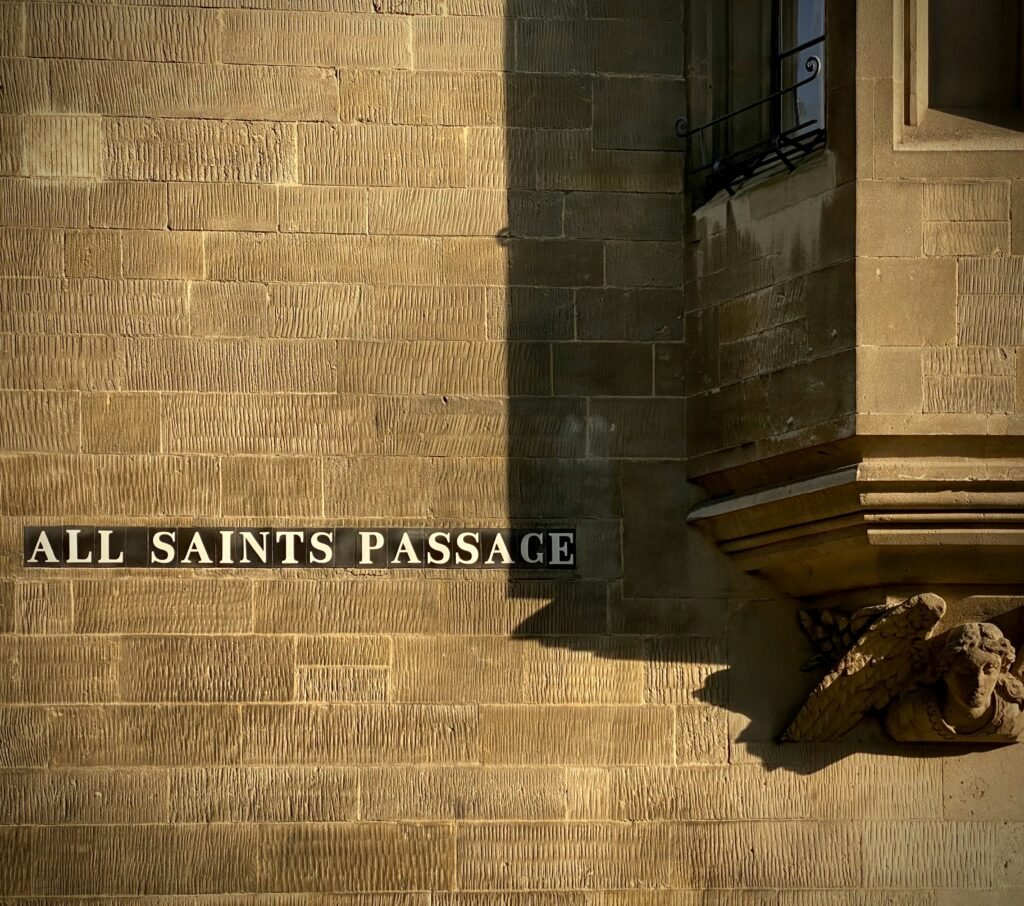
All Saints’ Day is on November 1st. It started in early Christianity to honor, both known and unknown. In the 4th century, Christians began to recognize individual martyrs and saints. The day became more well-known in the Western Church when Pope Gregory III declared November 1st a special day for in the 8th century. The Roman Catholic Church took this day on, and it spread to other Christian groups. Today, is an important celebration that remembers the faithful and their lasting impact on Christian beliefs.
How Is All Saints’ Day Celebrated in Different Cultures?
All Saints’ Day is celebrated differently in various cultures, combining local customs with religious practices. In Mexico, families create altars and offer food to remember the deceased. In Europe, people attend church, light candles, and visit cemeteries to honor and pray for their loved ones.
What Are the Main Religious Significance and Themes Associated With All Saints’ Day?
This Day is a special religious day to honor martyrs, recognizing their important roles in Christianity. I The day also encourages people to think about their own faith and aim for a good and virtuous life, inspired by the examples.
How Does All Saints’ Day Differ From All Souls’ Day?
All Saints’ Day on November 1st honors both famous and unknown for their contributions to Christianity, while All Souls’ Day on November 2nd is for remembering and praying for the deceased, especially those in purgatory.
What Are Some Traditional Foods or Customs Associated With All Saints’ Day?
Traditional foods for All Saints’ Day vary worldwide but often include sweet treats like cookies and cakes shaped. Many families prepare special meals to remember loved ones, featuring local dishes. Common customs include lighting candles, visiting graves, and setting up altars with offerings to honor the deceased.
What Role Do Saints Play in Christian Theology, and How Does That Relate to This Holiday?
In Christian belief, saints are holy people who have lived good lives and are now in heaven, acting as intermediaries between God and people. They serve as examples of faith and morality, motivating believers to follow their paths. Acknowledging their influence on the faith and motivating Christians to respect them while also striving for their own spiritual growth.
What Are Some Common Symbols Associated With All Saints’ Day?
Common symbols of this day include candles, which represent the light in the darkness. Images and statues remind believers of their good qualities and encourage them to follow their examples of faith and holiness.
What Is the Significance of Visiting Cemeteries on All Saints’ Day?
Visiting cemeteries on this day is important because it helps families remember and honor those who have passed away. This tradition strengthens the bond between the living and the deceased, highlighting the belief that all are connected. Families clean graves, light candles, and place flowers to show love and respect, creating a space for reflection and prayer.
How Do Personal and Community Reflections on Saints Shape the Observance of the Day?
This shared remembrance creates a feeling of togetherness within communities, allowing everyone to celebrate common beliefs and values. It also motivates individuals to pursue a holy life, drawing inspiration from the examples of the remember.
What Impact Does All Saints’ Day Have on Local and Global Christian Communities?
All Saints’ Day brings local and global Christian communities closer by helping them celebrate their shared faith and identity as they honor. It encourages communal worship and reflection, allowing believers to gather in remembrance of their spiritual roots. The day fosters unity among Christian traditions worldwide, as people come together to honor remember the faithful.
What Is the Historical Origin of All Saints Day?
Photo by Ben Wicks on Unsplash