How to Prevent and Treat Newborn Chapped Lips?
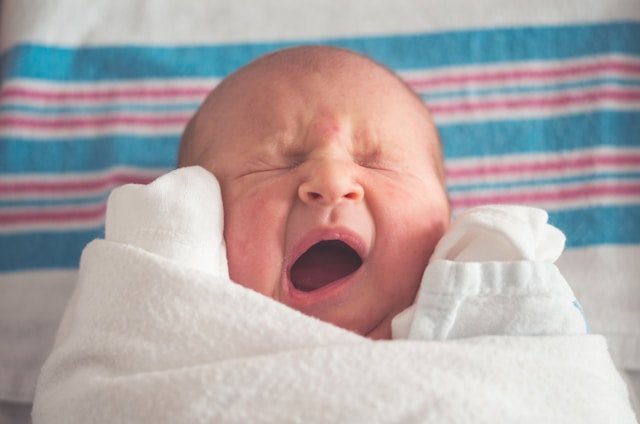
Your baby’s skin is very sensitive, and you should be cautious of any products you use on their skin, especially on their lips, because these products may be easily ingested. Medical professionals recommend against your baby ingesting anything milk or formula for the first several months of life. Accidentally feeding your baby something else, no matter how small in quantity, can introduce bacteria to their sensitive gut. Breast milk is the best option for treating newborn chapped lips. You can either squeeze out milk from your breast directly onto your baby’s lips, or you can use a few drops of previously extracted milk. If you aren’t breastfeeding, ask a friend if they have a few ounces of extra breast milk you can use for your newborn.
Why Newborn Chapped Lips Are so Common?
The skin on your little one’s lips is very thin and doesn’t have all of the oil glands that the rest of their skin has. That may sound like a good thing since adults spend a major portion of their time trying to get rid of excess oil on their skin. But that oil is actually a big part of what keeps your skin healthy and hydrated. Your skin’s natural oil forms a barrier that keeps hydration in and irritants out. The same is true for your baby’s skin and lips.
What Are the Signs of Newborn Chapped Lips?
You’ve probably suffered from a case of chapped lips at some point in your life. When newborn chapped lips strike, it’s very similar. Your baby’s lips may be cracked, red, and dry, and if you touch them, you might be able to feel the dry cracks. At Day 5 and onward, newborns generally produce at least six wet diapers per day, with that number decreasing after about six weeks. If you have a good idea of how many wet diapers your baby usually produces and they begin producing less, it could be a sign your baby is dehydrated and needs to feed more.
What Are the Causes of Newborn Chapped Lips?
Newborn chapped lips are typically caused by a lack of hydration on the inside or a lack of moisture on the outside. And that goes for both adults and babies. To help you get to the bottom of what might be causing your newborn’s chapped lips, here are several common culprits. While chapped lips in babies should rarely be cause for concern, if a baby has chronic chapped lips or is very young, it is important to rule out any underlying conditions. Newborns can become dehydrated if they do not get enough breast milk or formula milk. On particularly hot days, babies may require additional feeds to prevent dehydration.
How to Treat Chapped Lips on a Newborn?
The best and most natural thing you can do to treat your newborn’s dry lips is to apply some breast milk with your fingers. Don’t rub the milk all the way in, you should leave the area a little wet. Breast milk will heal the skin and protect your baby against bacteria. In some cases, you might not be breastfeeding your little one enough. According to the Mayo Clinic, most newborns need 8 to 12 feedings a day, which is about one feeding every 2 to 3 hours. You can also use a natural, organic lip balm or nipple cream on your newborn’s lips to keep them hydrated. Or you can use coconut oil, which contains lauric acid, a substance also found in breast milk.
How to Prevent Chapped Lips on a Newborn?
To ensure that the temperature inside your home isn’t causing your newborn’s lips to dry out, use a humidifier in the winter to keep the air in your home humid. And to prevent chapping due to the weather outside, try covering your newborn’s lips when you go outside, especially when it’s sunny or windy. You may turn your baby around when moving to keep the wind from hitting their face, or you can cover their face with a light, breathable fabric or scarf.
When to See a Doctor?
While many cases of chapped lips in a newborn will resolve without treatment or with use of the home remedies above, this symptom may also require a trip to the doctor. If someone is concerned that their newborn has an underlying health condition or is dehydrated, they should make an appointment with a doctor as soon as possible. It is vital to keep watching for any additional symptoms and to tell a doctor about any changes that cause concern.
Is It Safe to Apply Sunscreen Around Newborns Chapped Lips?
For babies over six months old, try applying a baby-safe sunscreen on the skin around their lips. Doing so can help maintain the moisture in those areas so the skin doesn’t get dry and pull the natural oils and hydration away from the lips. At this stage of their development, your baby’s skin and lips are very sensitive. Moisturizers and creams made for adults can irritate delicate areas and lead to dry, chapped skin. While you don’t want your baby to overheat, they also need protection from the sun. Invest in a sunscreen approved for infants. While you shouldn’t apply it to their lips, you can keep your baby safe from sun exposure by applying sunscreen to their exposed skin.
What Cream Can Use for Newborn Lips?
When breastfeeding, many people use lanolin creams to help soothe cracked nipples. Lanolin occurs naturally in sheep’s wool. This cream is safe to use on a newborn’s dry lips and can help soothe and hydrate them. When breastfeeding, many people use lanolin creams to help soothe cracked nipples. Lanolin occurs naturally in sheep’s wool. This cream is safe to use on a newborn’s dry lips and can help soothe and hydrate them. Never use adult lip balm on a baby because it may contain irritating and unsafe additives. Many lip balms contain camphor, which can be lethal to infants. 5 If you do decide to apply something to your baby’s chapped lips, a small amount of petroleum jelly like Aquaphor or Vaseline is generally a safe option.
Why Do Newborns Lips Turn White?
It could be the common and sometimes painful oral yeast infection known as thrush. Thrush causes creamy white or yellow patches to develop on the sides, roof, gums, lips, and tongue of a baby’s mouth. It also can spread to the throat, tonsils, or esophagus. Thrush is most common in infants and toddlers. Occasionally, a baby’s face or lips and mouth may turn purplish with very intense crying. However, this should turn back pink when the baby stops crying. If the baby’s color does not turn pink again, or there is an overall blue tinge to the baby, this may signal a problem.
What Should Newborn Lips Look Like?
Your newborn’s features are all so perfect and delicate — including their rosy, little lips. But it’s not unusual for your baby to develop chapped lips. While this typically resolves on its own, you’ll want to know what to do to keep your little one comfortable in the meantime. It is common for a newborn’s lips to appear more dry and red than an older baby’s, but this is unlikely to cause any signs of pain or discomfort. It may occasionally seem that chapped lips are uncomfortable for a newborn, but this symptom is not usually a cause for concern.