Effective Yoga Exercises for Strength and Flexibility

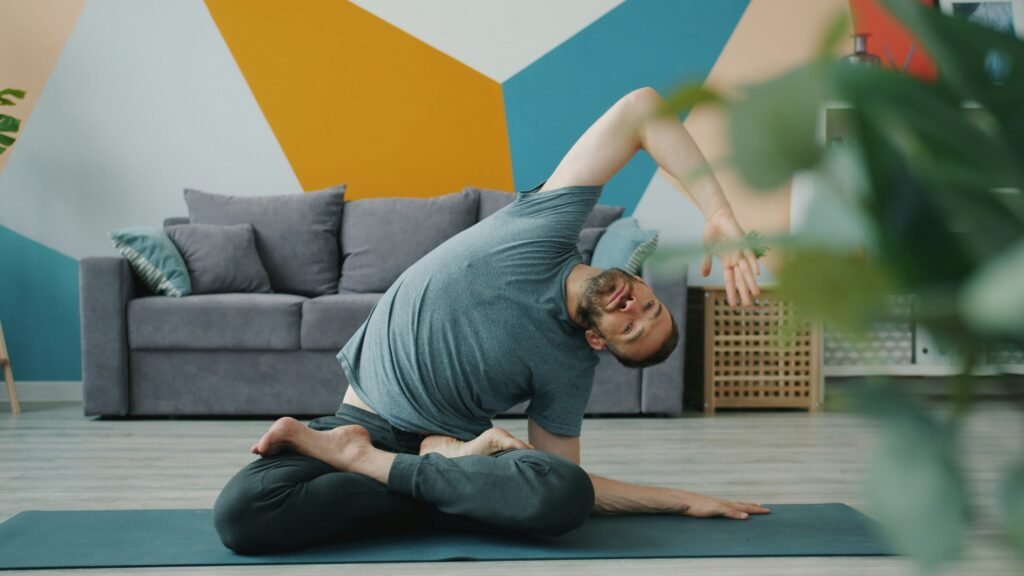
Yoga exercises have been practiced for thousands of years, offering a comprehensive approach to physical and mental well-being. Unlike conventional fitness routines, yoga uniquely combines strength-building postures with deep flexibility training, creating a balanced and sustainable form of exercise. Whether you are a beginner stepping onto the mat for the first time or an experienced practitioner looking to deepen your practice, incorporating the right yoga exercises into your routine can yield transformative results for your body and mind.
This article explores some of the most effective yoga exercises for building muscular strength and enhancing flexibility simultaneously. By understanding the mechanics and benefits of each posture, you can craft a well-rounded practice that supports your long-term health goals.
The Relationship Between Strength and Flexibility in Yoga
One of the most distinctive characteristics of yoga exercises is their ability to cultivate both strength and flexibility at the same time. Traditional weightlifting may build muscle mass but can lead to tightness, while static stretching improves range of motion but does little for muscular endurance. Yoga bridges this gap by requiring practitioners to engage and stabilize muscles while simultaneously lengthening them.
This dual engagement promotes what physiologists refer to as functional strength the kind of strength that supports everyday movement, reduces the risk of injury, and improves overall physical performance. Regular yoga practice has also been shown to improve posture, balance, and joint health, making it an ideal exercise modality for individuals of all fitness levels and age groups.
Key Yoga Exercises for Building Strength
The following yoga exercises are particularly effective for developing muscular strength across the entire body. Each posture targets specific muscle groups while also demanding core stability and proper body alignment.
1. Plank Pose (Phalakasana)
Plank Pose is one of the most powerful yoga exercises for developing upper body and core strength. In this posture, the practitioner holds the body in a straight line from head to heels, supporting their weight on the hands and toes. The arms, shoulders, chest, and abdominal muscles are all actively engaged, making this a highly efficient full-body strengthening exercise.
- Strengthens the shoulders, arms, and wrists
- Engages and tones the core muscles
- Improves overall body stability and endurance
- Prepares the body for more advanced arm balances
2. Warrior I (Virabhadrasana I)
Warrior I is a foundational standing posture that builds strength in the legs, glutes, and core while also opening the chest and hip flexors. The deep lunge position demands significant muscular engagement, particularly in the front thigh and back leg. This posture challenges balance and concentration, making it both physically and mentally demanding.
- Strengthens the quadriceps, hamstrings, and glutes
- Stretches the hip flexors and chest
- Improves balance and body awareness
- Builds stamina and mental focus
3. Warrior II (Virabhadrasana II)
Warrior II expands upon the benefits of Warrior I by requiring the practitioner to open the hips and arms wide, creating a powerful lateral stance. Holding this posture for several breaths builds significant endurance in the legs and shoulders. It is widely considered one of the most empowering yoga exercises in any practice.
- Tones and strengthens the legs and arms
- Opens the hips and groin
- Enhances lateral stability and coordination
- Builds confidence and physical resilience
4. Chair Pose (Utkatasana)
Often referred to as the “fierce pose,” Chair Pose simulates the action of sitting in an invisible chair, placing significant demand on the quadriceps, glutes, and lower back muscles. This is one of the most effective yoga exercises for building lower body strength and increasing metabolic activity.
- Strengthens the thighs, calves, and ankles
- Tones the abdominal organs and spine
- Generates internal body heat and boosts metabolism
- Improves posture and spinal alignment
5. Boat Pose (Navasana)
Boat Pose is a seated balancing posture that intensely engages the core, hip flexors, and spine. By lifting both the legs and torso off the ground simultaneously, the practitioner creates a V-shape with the body, demanding exceptional abdominal and spinal strength. It is considered one of the premier yoga exercises for core development.
- Deeply strengthens the abdominal muscles
- Tones the hip flexors and spine
- Improves balance and concentration
- Stimulates the digestive system
Key Yoga Exercises for Enhancing Flexibility
Flexibility is an essential component of physical health, supporting joint mobility, reducing muscle tension, and preventing injury. The following yoga exercises are specifically designed to increase flexibility across the major muscle groups and joints of the body.
1. Downward-Facing Dog (Adho Mukha Svanasana)
Downward-Facing Dog is arguably the most recognized of all yoga exercises. This inverted V-shaped posture provides a comprehensive stretch for the entire posterior chain, including the hamstrings, calves, spine, and shoulders. It also serves as a transitional posture in many yoga sequences, making it both foundational and highly functional.
Conclusion
In conclusion, yoga exercises offer a powerful and holistic approach to improving both strength and flexibility, making them an essential addition to any fitness routine. By combining controlled movements, mindful breathing, and sustained postures, yoga helps develop functional strength while enhancing mobility and balance. Whether through strength-building poses like Plank and Warrior variations or flexibility-focused movements like Downward-Facing Dog, each exercise contributes to a well-rounded practice.
Consistent engagement with these yoga exercises not only transforms physical fitness but also supports mental clarity, stress reduction, and overall well-being. Ultimately, embracing yoga as part of your daily routine can lead to a healthier, more balanced lifestyle that nurtures both body and mind over the long term.
Photo by Vitaly Gariev on Unsplash